Demo route review
Before a quote is finalized, site notes capture lane width, turning points, power access, soil type, and the opening time required after cleaning. This gives the selected scrubber a practical operating target.

Service for commercial cleaning equipment is not a back-office task. It shapes route confidence, operator adoption, water recovery, battery use, and how quickly a facility can reopen each area after cleaning.
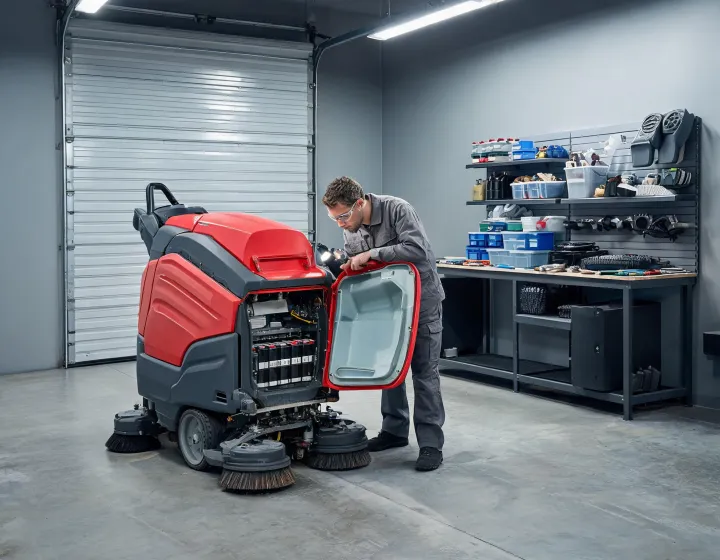
Comac service planning starts with what happens on the floor. A distributor may need a pre-delivery checklist, a food plant may need sanitation-focused inspection points, and a logistics operator may need rapid parts access across several depots. The program below gives each team a repeatable structure without forcing every facility into the same maintenance calendar.
Before a quote is finalized, site notes capture lane width, turning points, power access, soil type, and the opening time required after cleaning. This gives the selected scrubber a practical operating target.
Training covers safe filling, brush selection, recovery tank cleaning, daily blade checks, and handover notes. The goal is a machine that is used correctly by every shift, not just by the first trained operator.
Common wear items are mapped to route intensity. Brush, blade, filter, and hose planning helps distributors support uptime while avoiding unnecessary stock for lower-duty locations.
When labor windows, floor mix, or traffic volumes change, Comac reviews whether a route needs a different tank size, a compact unit for edge areas, or a sweeper before scrubbing.
These service indicators help managers decide where to focus training and preventive action. They are written for cleaning programs that run before opening, between shifts, or during live facility traffic.
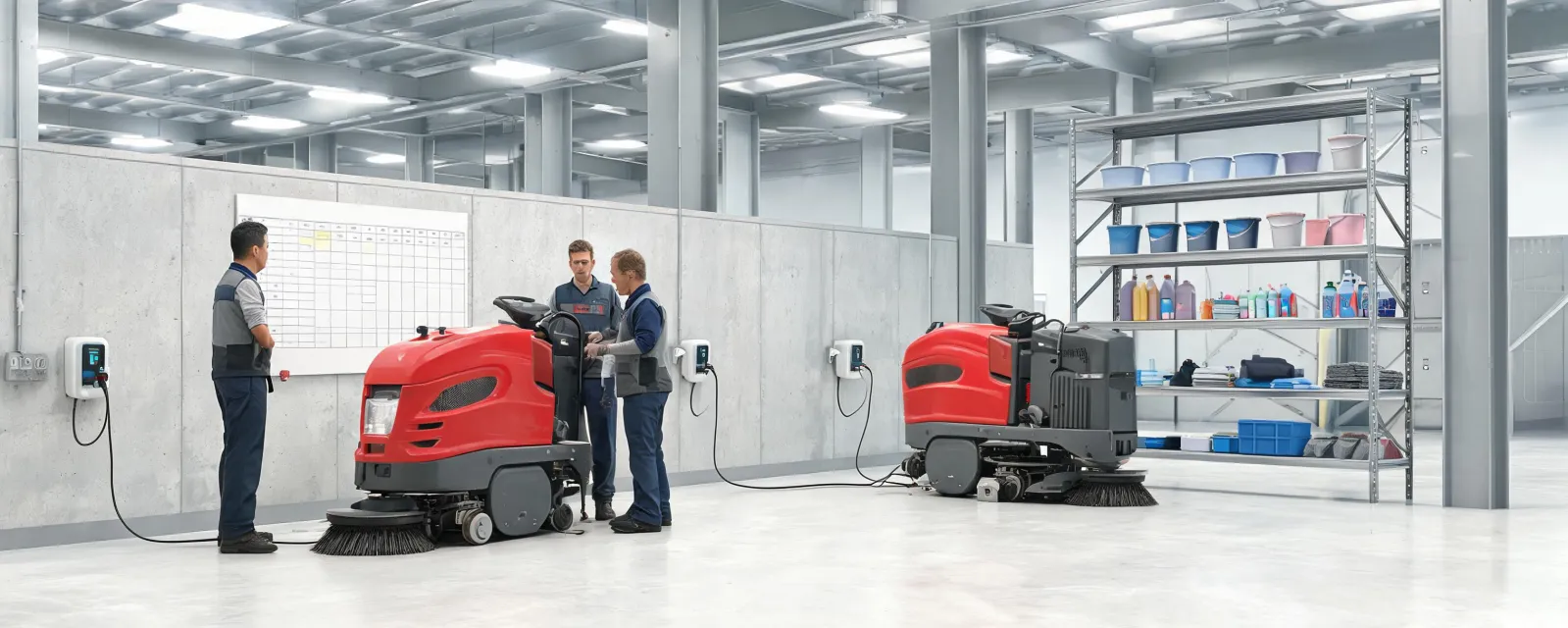
Send Comac your floor type, route length, traffic hours, and operator model. We will help turn those details into a support plan that fits the machine and the facility.
Request Service Guidance