Warehouse and logistics
Long aisles, forklift dust, packaging debris, and shift changes make route discipline critical. Pair sweepers and scrubbers when loose debris would reduce wet cleaning quality.

Each industry changes the route. Soil type, public access, hygiene rules, operating hours, and the available space for charging all influence which machine belongs on the floor.
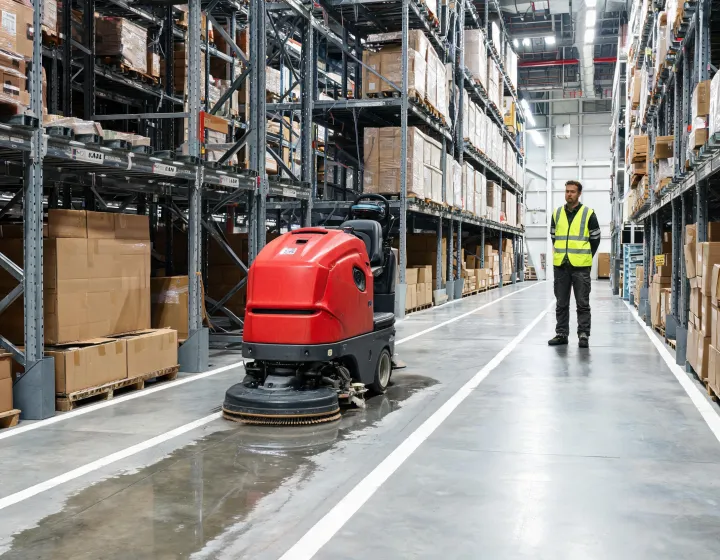
Comac structures industry guidance around the way spaces are used. A warehouse route values uptime and debris control, while a food plant cares about residue, drainage, and hygiene documentation. These differences shape brush choice, dosing discipline, and the role of compact machines beside larger scrubbers.
Long aisles, forklift dust, packaging debris, and shift changes make route discipline critical. Pair sweepers and scrubbers when loose debris would reduce wet cleaning quality.
Public-facing floors need quiet operation, fast recovery, and compact access around displays, checkout areas, entrances, and back rooms.
Wet residue, hygiene routines, and restricted areas require clear training, careful chemical control, and machines that are simple to inspect after use.
Multi-use buildings demand flexible machines that can move between corridors, halls, lobbies, gyms, and storage zones without complex changeovers.
Instead of starting with a catalog page, Comac looks at the daily cleaning result. The following examples show how different facilities can arrive at different machine combinations even when they all ask for a floor scrubber.
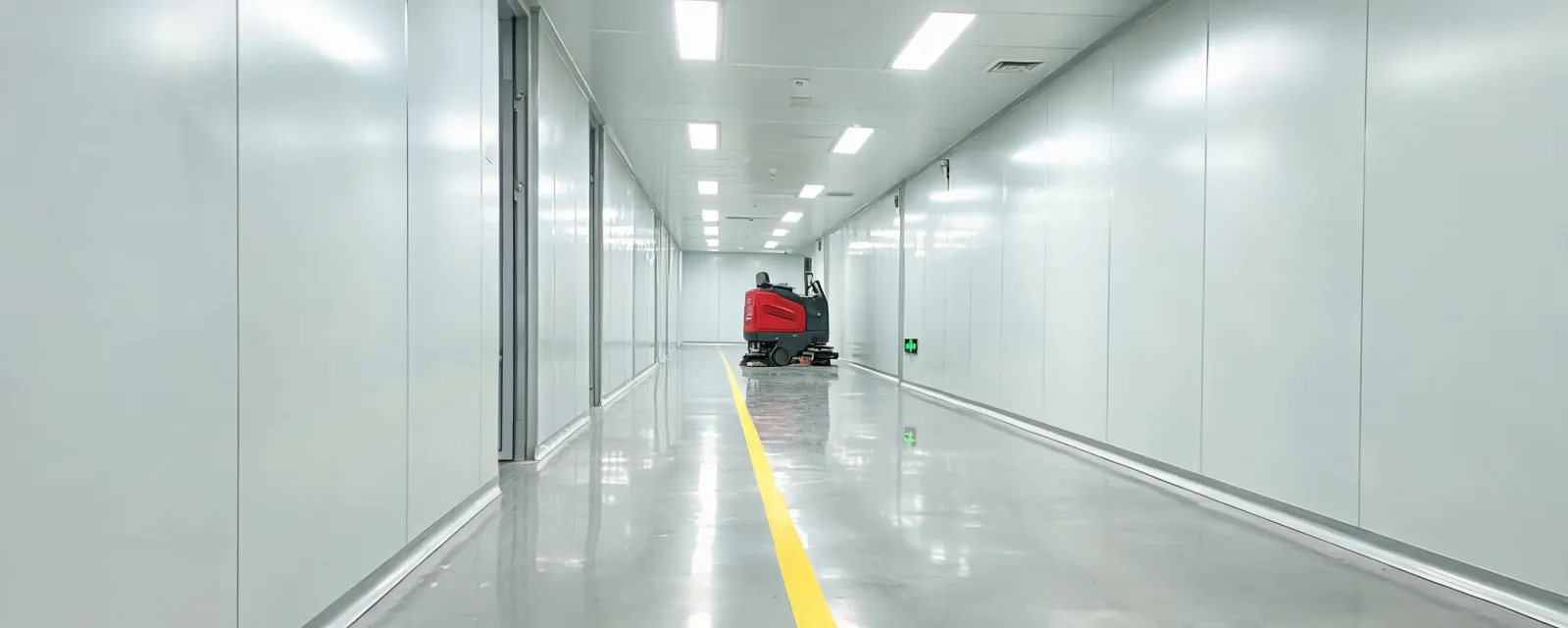
Tell Comac where the machine will work, how often it runs, and what residue it must remove. We will help translate that into a practical demo brief.
Discuss an Application